Case Study
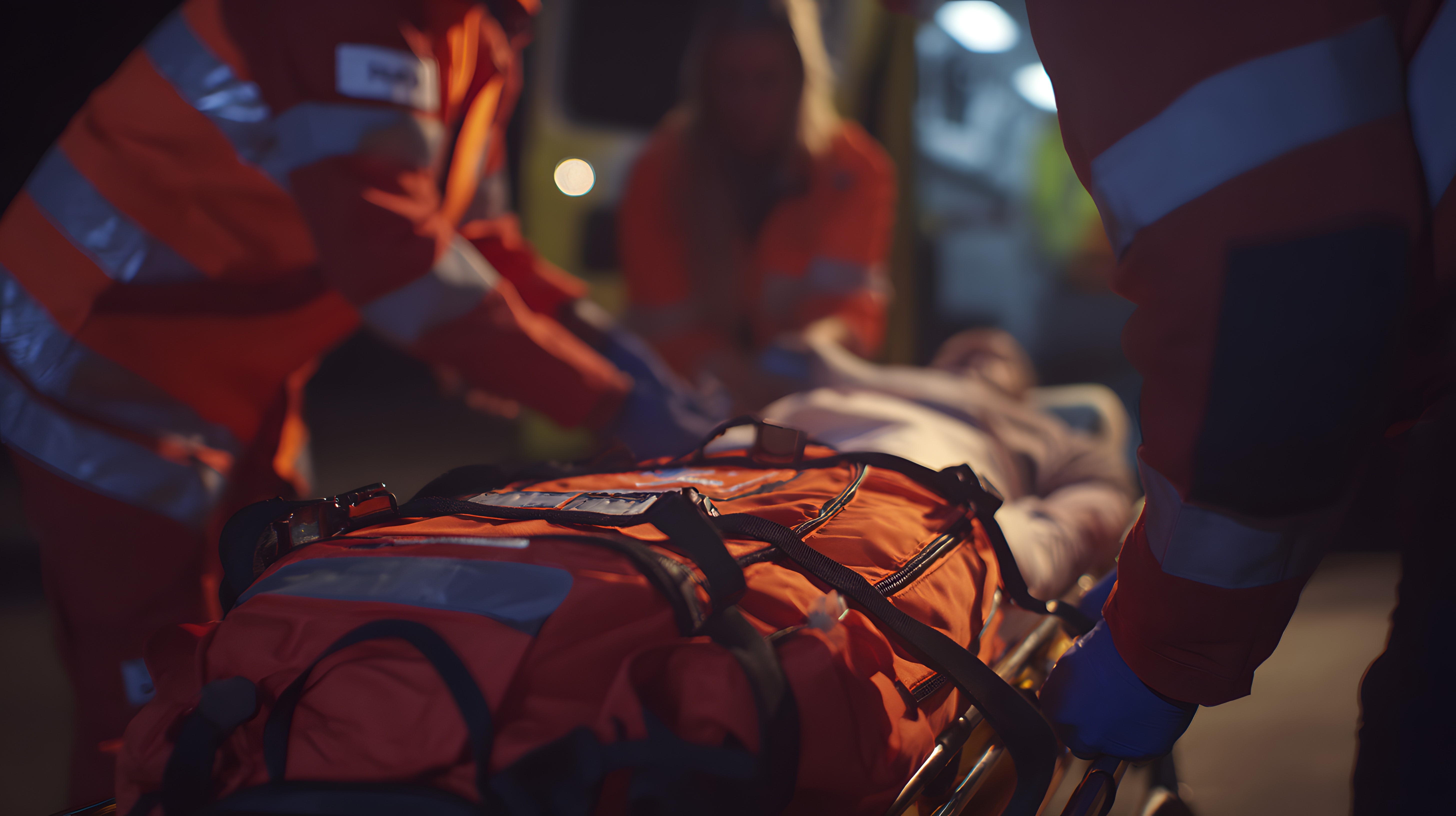
Acute Blood Loss: Reducing Trauma Effects
HBOT compensates for lost oxygen-carrying capacity at the moment of incident – limiting organ damage and reducing recovery time when applied immediately.
Details
Overview
Acute blood loss compromises the body's ability to deliver oxygen to critical tissue. Without intervention, organ failure, prolonged ICU stays, and extensive rehabilitation follow. This case study examines how immediate hyperbaric oxygen therapy compensates for reduced hemoglobin levels and limits the downstream effects of hemorrhagic trauma.
Key Takeaways
HBOT maintains oxygen delivery even when hemoglobin levels are critically low
On-scene delivery cuts recovery from ~6 months to ~2 months
Treatment costs drop from ~$700k–$900k to ~$180k–$250k
Who This Applies To
Relevant to emergency medical services, trauma surgeons, ICU teams, and military medical units responding to hemorrhagic injuries. Data sourced from published hyperbaric treatment research on severe anemia and acute blood loss.
What The Data Shows
Traditional treatment with zero HBOT: 6–9 month recovery, ~$350k–$500k
Later stage HBOT (applied within 6–48 hours): 3–4 month recovery, ~$250k–$350k
Immediate HBOT via HYPERVAN (applied within 30–60 minutes): ~2 month recovery, ~$150k
The Bottom Line
In hemorrhagic trauma, oxygen delivery collapses fast. HBOT restores it – but timing is everything. HYPERVAN delivers treatment within minutes of incident, before organ damage becomes irreversible.
Sources:
Navy hyperbaric treatment research: https://pubmed.ncbi.nlm.nih.gov/31489531/
HBOT indication: Severe Anemia / Blood Loss: https://www.uhms.org/resources/hbo-indications.html
Trauma oxygenation studies: https://pubmed.ncbi.nlm.nih.gov/33467042/
Overview
Acute blood loss compromises the body's ability to deliver oxygen to critical tissue. Without intervention, organ failure, prolonged ICU stays, and extensive rehabilitation follow. This case study examines how immediate hyperbaric oxygen therapy compensates for reduced hemoglobin levels and limits the downstream effects of hemorrhagic trauma.
Key Takeaways
HBOT maintains oxygen delivery even when hemoglobin levels are critically low
On-scene delivery cuts recovery from ~6 months to ~2 months
Treatment costs drop from ~$700k–$900k to ~$180k–$250k
Who This Applies To
Relevant to emergency medical services, trauma surgeons, ICU teams, and military medical units responding to hemorrhagic injuries. Data sourced from published hyperbaric treatment research on severe anemia and acute blood loss.
What The Data Shows
Traditional treatment with zero HBOT: 6–9 month recovery, ~$350k–$500k
Later stage HBOT (applied within 6–48 hours): 3–4 month recovery, ~$250k–$350k
Immediate HBOT via HYPERVAN (applied within 30–60 minutes): ~2 month recovery, ~$150k
The Bottom Line
In hemorrhagic trauma, oxygen delivery collapses fast. HBOT restores it – but timing is everything. HYPERVAN delivers treatment within minutes of incident, before organ damage becomes irreversible.
Sources:
Navy hyperbaric treatment research: https://pubmed.ncbi.nlm.nih.gov/31489531/
HBOT indication: Severe Anemia / Blood Loss: https://www.uhms.org/resources/hbo-indications.html
Trauma oxygenation studies: https://pubmed.ncbi.nlm.nih.gov/33467042/
Gallery
Ready to deploy?
Partner with HYPERVAN to bring HBOT to the frontlines of emergency response.
Ready to deploy?
Partner with HYPERVAN to bring HBOT to the frontlines of emergency response.
Ready to deploy?
Partner with HYPERVAN to bring HBOT to the frontlines of emergency response.